
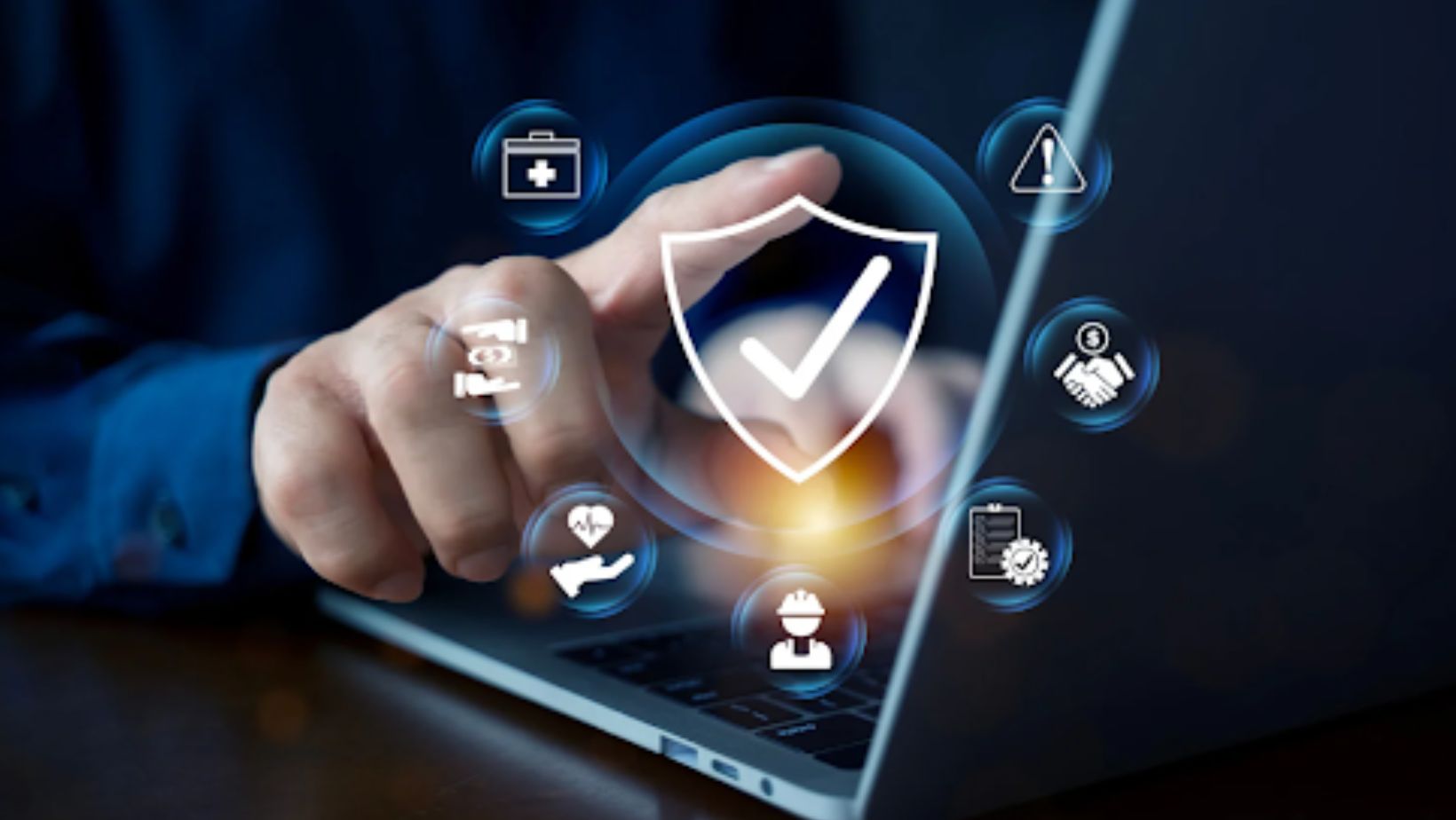
Secure digital entertainment systems have transformed how people everywhere engage with movies, music, games, and live-streamed competitions. The sector’s pace is relentless, but the risks keep coming, such as piracy, leaks, account takeovers. Providers have learned to fight back, layering encryption, stepped-up user checks, beefed-up network protections, and never letting global privacy rules slip out of mind. One glance at last year’s PwC report, showing a 36% jump in cyber threats against entertainment services, drives the point home. Today’s audiences simply won’t accept anything less than tight security. People expect streaming and online gaming to deliver safety through solid authentication, encrypted connections, and simple but effective multi-factor checks. These tools, sometimes nearly invisible, are behind the trust that fuels the digital entertainment boom.
User Verification And Identity Management
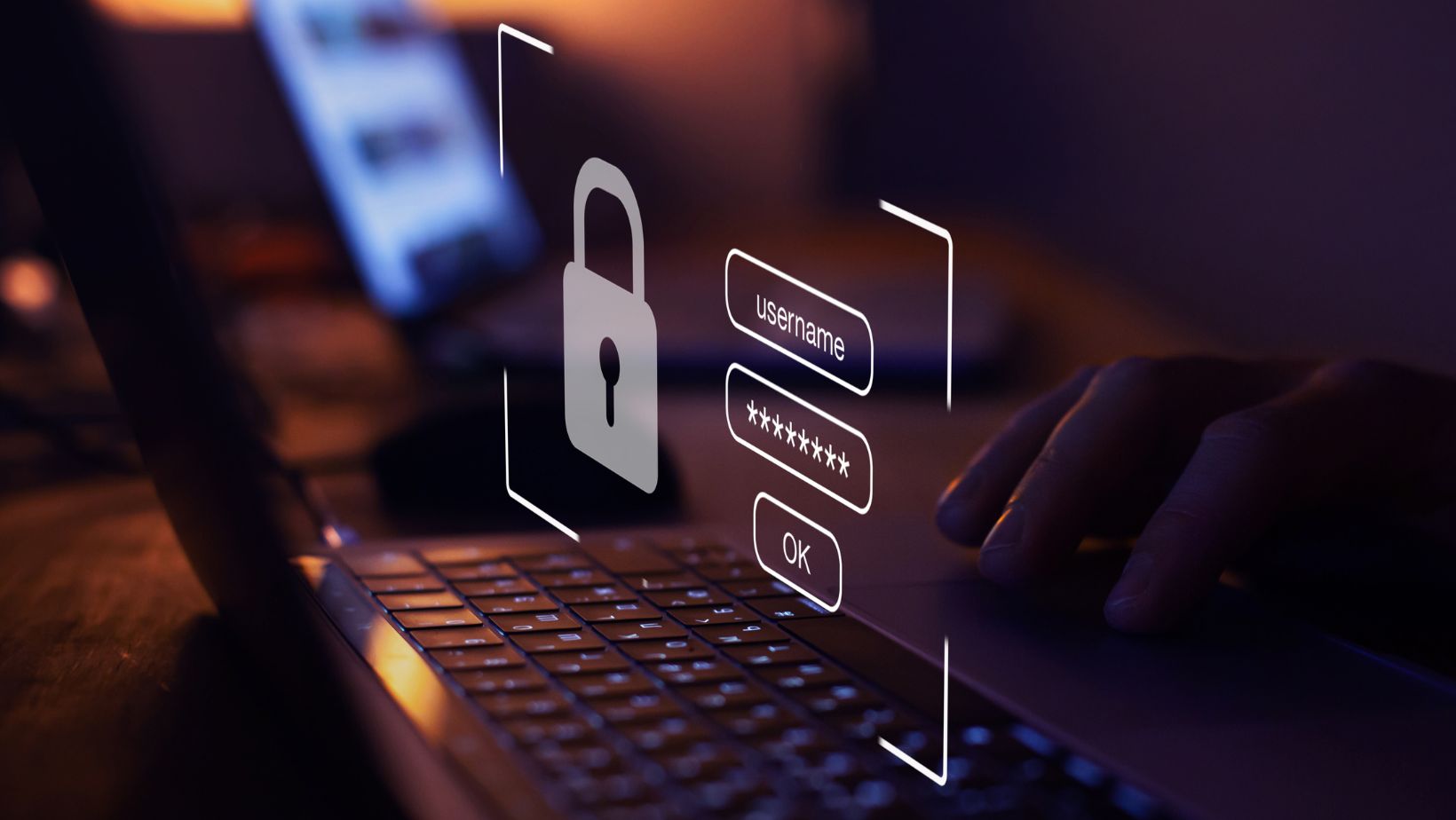
Everything starts at the login screen. A platform’s first defense is getting user authentication right. Tough passwords? They’re a must. But now there’s more, confirmation codes delivered by text or email, even biometrics like fingerprints or facial scans. Multi-factor authentication (MFA) has become common currency; numbers from Dacast put MFA in place for nearly three-quarters of all major streaming and gaming services as of 2024. In some cases, platforms check behavior too, typing speed, device habits, or location history can add a quiet layer of screening. For extra peace of mind, systems will often expire sessions automatically, swap in fresh secure tokens, or offer Single Sign-On for those juggling multiple services. These layers only let real users through, which matters just as much for interactive streams as for online arenas and platforms like Casiny online casino.
Encryption And Confidential Content Protection
Beneath all the apps and channels, encryption works constantly to shield both users and content. It scrambles credit card numbers, stores personal info safely, and locks up movies or games against snooping, on the way in and tucked away for later. The gold standard? Advanced protocols like AES-128, or stronger if possible. Streaming must travel via HTTPS, sometimes with time-limited credential tokens or signed links to keep freeloaders out. Services like Casiny online casino rely on these safe delivery methods so only those with permission get to watch, play, or download. There’s more: Regions or even single devices can be cut off to stop leaks or enforce contracts. Some innovators even rotate encryption keys mid-stream, shrinking the gap a hacker has to make a grab. Watermarks have grown smarter, AI-driven now; if a leak happens, tracing the source isn’t guesswork anymore. With all these safeguards in place, users get not just security, but real privacy.
DRM, Network, And Device-Level Security
DRM keeps a watchful eye on who can access or share content, sometimes down to the device itself. Modern digital rights management tools also tie in with hardware, special chips or keys that only permit playback on approved devices. Before anyone gets to stream a movie or download an album, DRM checks both the media and the player software.
On the data highway, network security steps in with private network segments, firewalls, and nonstop threat monitoring. AI-driven anomaly detectors now catch shady traffic or DDoS attacks almost as they start. Companies like Akamai push security to the network’s edge, using intelligence shared in real time to cut off attacks. Locally, disabling unused screen functions, blocking risky HDMI features, and never trusting open Wi-Fi all reduce the chances of someone poking through the system.
Compliance, Access Controls, And Response
Global privacy rules like GDPR never stop applying. That means strict access permissions, fine-tuned by user type and activity, are routine. Every time someone accesses or edits data, the event is logged. Incidents do happen, and when they do, response plans move fast: alerts go out, services get fixed, and control is restored, sometimes within hours, not days. Quick action limits damage and protects trust. Regular audits and security fire drills keep everyone sharp and systems resistant to whatever tomorrow’s attackers try next.
Responsible Use In Digital Entertainment
Security may hold it all together, but responsibility is a shared project. Users should set strong passwords, use MFA, and stay alert for strange account activity. Platforms, for their part, have to be transparent, offer easy privacy settings, and respond fast when something goes wrong. The push for openness, favored by regulators, supports a space where content, creators, and fans can flourish, even as entertainment technology keeps raising the stakes. For more details, check our Privacy Policy.