
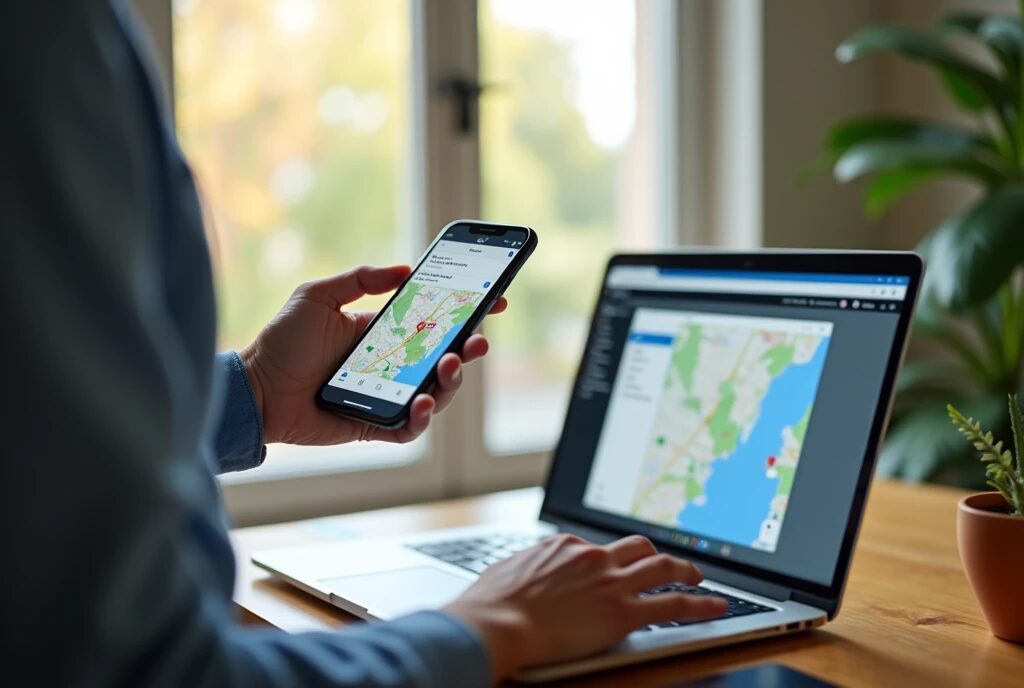
A user opens a service search platform, checks nearby listings, scrolls through categories, applies filters, and expects to see results based on current location; however, the feed still shows irrelevant options, and when the user comes across listings such as escorts las vegas, it signals that the platform is relying on outdated session data or incorrect location detection, which happens when the device has not refreshed its position properly or is still tied to a previous network state, leading to results that do not match the user’s actual surroundings.
Why Location Errors Occur in Real Use
Most inaccuracies come from how devices report location rather than from the platform itself. Smartphones use a mix of GPS, Wi-Fi signals, and IP-based estimation. When one of these sources is outdated, results shift.
The most common causes include:
- Cached location data stored by the browser or app
- Weak GPS signal in indoor environments
- Automatic switching between networks
- VPN usage masking real coordinates
According to Google developer documentation, Wi-Fi-based positioning can be off by up to 100 meters, while IP-based detection may shift results across entire districts. This explains why users often see listings that do not match their immediate surroundings.
How Connectivity Disrupts Search Accuracy
Connection stability plays a direct role in how platforms update results. A slow or unstable network delays synchronization between the device and the server.
Typical issues linked to connectivity:
- Incomplete page loading that freezes location updates
- Session timeouts that revert to a previous state
- Delayed map refresh when switching between networks
Mobile carriers report that brief signal drops lasting less than 5 seconds can interrupt data requests. These interruptions are often invisible to users, yet they affect how platforms process location in real time.
 Steps That Resolve Most Location Problems
Users can correct most issues with a few direct actions. These steps focus on resetting how the device communicates its position.
The most effective sequence:
- Turn off Wi-Fi and switch to mobile data, then reload the platform
- Enable location services and set accuracy to high
- Clear browser or app cache to remove stored coordinates
- Restart the application to force a fresh session
These actions address both data sources and session state. When applied together, they resolve the majority of mismatches within seconds.
When VPNs and Privacy Tools Interfere
VPN services change the visible location of a device by routing traffic through another server. While useful for privacy, they often cause incorrect search results on location-based platforms.
Key effects of VPN usage:
- Displayed listings reflect the server location rather than the user’s position
- Map-based services load data from a different region
- Distance calculations become inconsistent
Some platforms attempt to detect this mismatch and request GPS confirmation. Others rely entirely on IP data, which leads to persistent errors until the VPN is disabled.
Device Settings That Affect Accuracy
Operating system settings influence how location is shared. Users often overlook these controls, which results in partial or outdated data being sent.
Important settings to check:
- Location mode set to high accuracy instead of battery saving
- App permissions allowing access to location while in use
- Background data enabled for real-time updates
Apple and Android both recommend enabling full location accuracy for navigation and search services. Reduced accuracy limits the number of data points used, which increases the chance of incorrect results.
Patterns That Help Avoid Repeated Errors
Users who encounter frequent issues tend to follow the same habits that trigger them. Adjusting these patterns reduces the likelihood of repeated errors.
Common adjustments include:
- Avoiding frequent switching between Wi-Fi and mobile data
- Using one consistent browser or app session
- Checking location permissions before starting a search
Consistency improves reliability. When the device maintains a stable connection and clear permissions, platforms receive accurate data from the start.
A Clear Outcome
Location errors and connectivity issues are not random. They result from specific technical conditions that can be identified and corrected. Most problems come from outdated data, unstable connections, or conflicting settings.
Users who understand these factors can resolve issues quickly. Accurate results depend on clear communication between the device and the platform. Once that connection is stable, search results align with the user’s actual position without delay.